The White House on Thursday (India time) revised the Fact Sheet on the India-United States (US) trade agreement, dropping references to duty reduction or elimination by India on “certain pulses” and softening language around New Delhi’s $500 billion purchases plan from America.
The revised Fact Sheet now states that India “intends” to buy more American products and purchase over $500 billion of US energy, information and communication technology, coal, and other products. This marks a shift from the earlier version released a day before, which had described the proposed purchases as a commitment.
The updated wording aligns with Saturday’s Joint Statement issued by both countries, which refers to New Delhi’s intention to make such purchases rather than a binding commitment.
Pulses reference removed
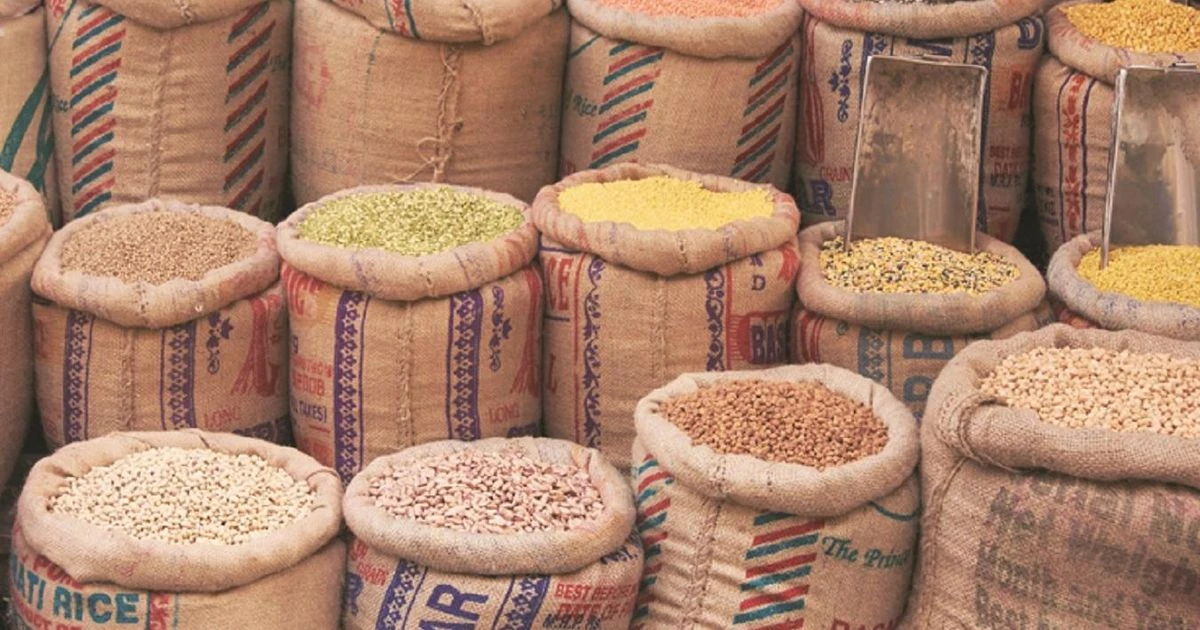
The earlier inclusion of “certain pulses” in the trade deal Fact Sheet had triggered concerns among farmers that their interests could be compromised following the agreement between the two countries.
Pulses were not part of the items mentioned in the Joint Statement outlining the interim framework. The earlier Fact Sheet did not specify which pulses were being included.
The US has been pressing for the inclusion of exports of lentils and yellow peas at zero duty to India, Business Standard had reported earlier. India currently imposes a 10 per cent duty on lentils, which could have been a point of negotiation.
With the revised document dropping the reference to pulses altogether, the language now mirrors the Joint Statement more closely.
Digital trade language softened
Similarly, the earlier Fact Sheet had stated that New Delhi had committed to negotiating bilateral digital trade rules under the interim agreement, including provisions to prevent the imposition of customs duties on e-commerce electronic transmissions. It had also said that India would scrap its digital services tax.
The revised version tones down this language and now states that “India will address non-tariff barriers that affect bilateral trade in priority areas”. It adds that the United States and India will negotiate rules of origin to ensure that the agreed benefits accrue predominantly to the two countries.
Trade experts noted that the Fact Sheet reflects the US point of view and does not carry legal standing. They said the Joint Statement issued by both countries should be treated as the official version of the trade understanding.