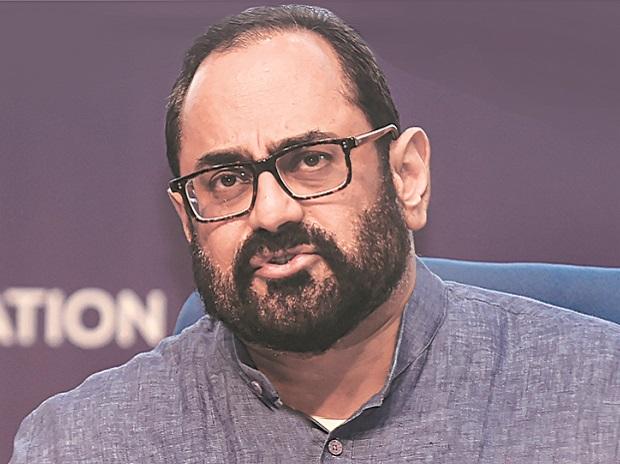
“There is a narrative and some melodrama about AI and there is reality. It is possible that in the next 5-10 years AI will become intelligent enough and then it will replace jobs. At present, the application of AI is on tasks and creating more efficiency,” Chandrasekhar said at a press conference.
Chandrasekhar said as the government drafts the Digital India Act, it will try to regulate emerging technologies, including AI, through the prism of user harm. He reiterated that a draft of the Digital India Bill will be released for public consultation within a month.
The minister was speaking about achievements of the Modi government’s Digital India initiatives over the last nine years. When asked about proposed provisions against rising illegalities on the internet, Chandrasekhar said the safe harbor clause in the IT Act, 2000 allowed big tech companies to evade their responsibility of protecting users.
As reported earlier, the government is redrawing contours of the “safe harbour” provided to internet intermediaries, including big tech companies like Meta and Google to increase their accountability for user-generated unlawful content. Chandrasekhar stressed upon the government’s policies to build an open source digital public goods, encouraging digital transactions, and rapid rollout of 5G network in the country.
The minister added that India was offering the technology of digital public infrastructure (DPI) – the India Stack – during the G20 presidency. He added that the government has called a global DPI summit in Pune on June 12 and 13, where countries may sign a memorandum understanding on adapting India stack.