

 admin
admin
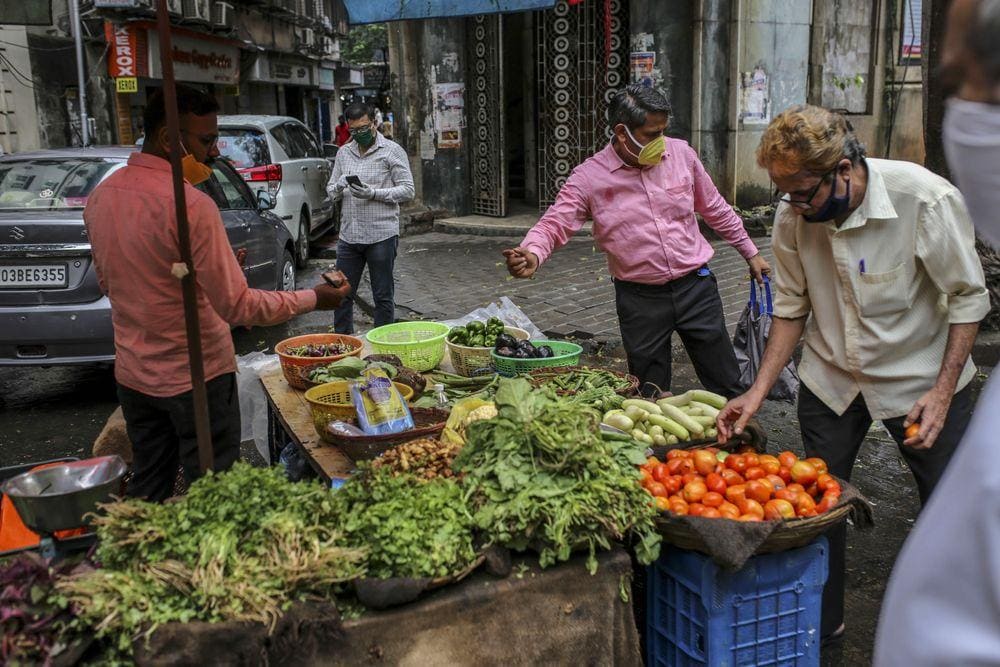
Launched as part of the Covid-19 response measures, the scheme completed three years on June 1.
In 10 states and union territories, almost all in the southern and northeast region, women are the majority of the beneficiaries.
Manipur (94 per cent), Nagaland (88 per cent), Meghalaya (77 per cent), Arunachal Pradesh (75 per cent), and Sikkim (58 per cent) stand out for their high women share. In Assam, the share of women at 47 per cent is also higher than the national average of 41 per cent. Tripura has a low 12 per cent women share.
The share of women beneficiaries is 32 per cent each in the two states and they add up to 482,000. In Bihar, 14,098 beneficiaries are women beneficiaries, 27 per cent of the total. In Congress-ruled Rajasthan, 15,861 or 23 per cent of the total are women, according to the Indian Express report.
Arbind Singh, national coordinator, National Association of Street Vendors of India (NASVI), said that the way the scheme was being targeted had a big role to play. “In some states, the local authorities targeted women’s self-help groups as beneficiaries. For example, in Andhra Pradesh, they had MEPMA [Mission for Elimination of Poverty in Municipal Areas] which was already working with self-help groups,” said Singh.
In Gujarat and Maharashtra, which have a large number of street vendor beneficiaries, women accounted for 42 per cent and 41 per cent, respectively, of the total beneficiaries.



GIPHY App Key not set. Please check settings