

 admin
admin
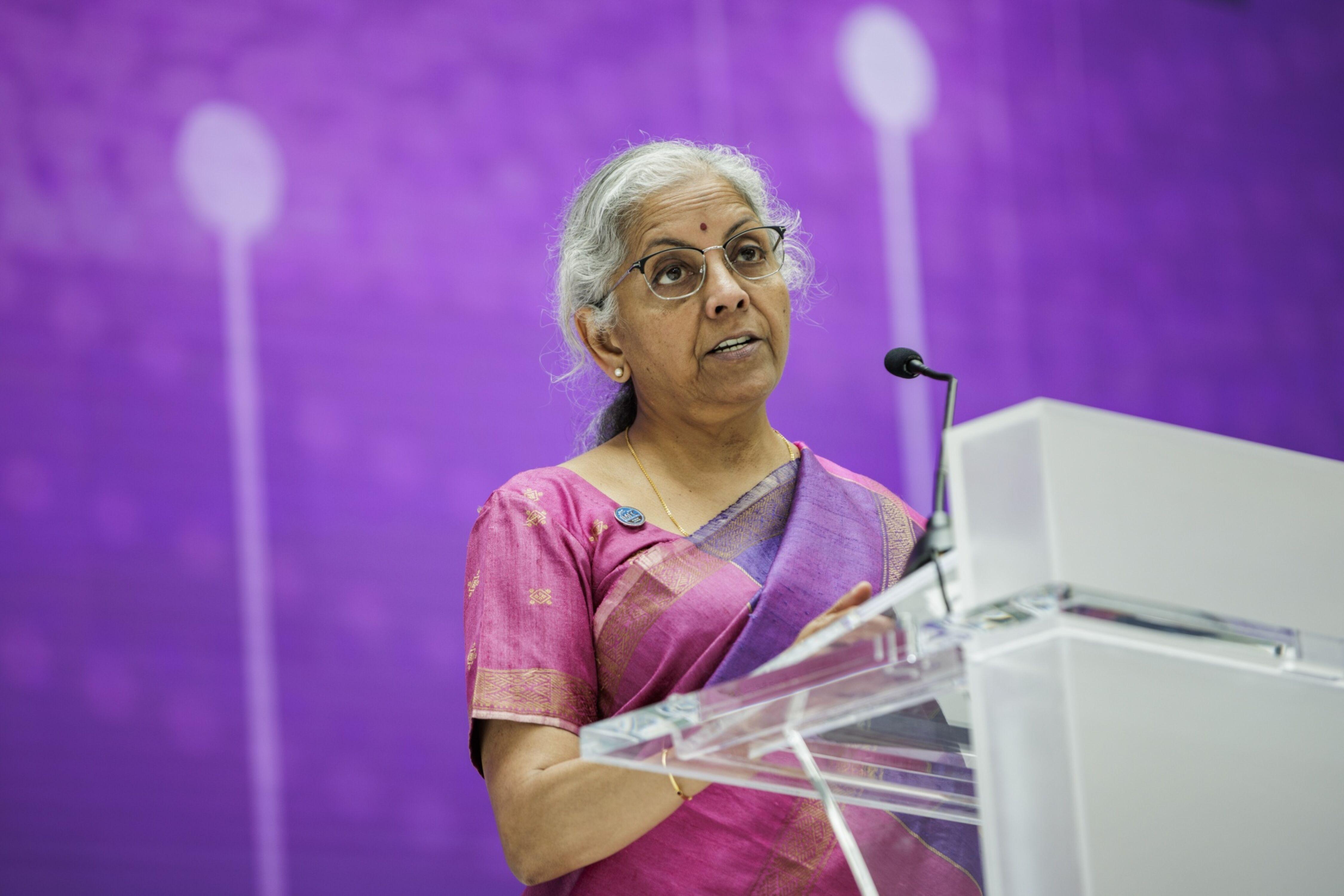
External factors, including the OPEC+ output cut and “the spillover of all the decisions” related to Russia’s war in Ukraine are “the two main things which I think I’d be more worried about than anything internal”, she said in a wide-ranging interview with Bloomberg on the sidelines of the International Monetary Fund Spring meetings in Washington.
“They are keeping a very close eye on the economy and business leaders have welcomed this pause with a sense of relief.”
The finance minister said “we hope to continue on the (fiscal) glide path,” adding that the government will adhere to the budgeted target of 5.9 per cent for the fiscal year starting April. “We have been careful.”
Sitharaman said the upcoming national elections may pose a hurdle. “Bids come in after a certain level of certainty comes in,” she said.
“We think it may be inappropriate to comment even as the judiciary is having a look at it.”
On cryptocurrency, she said more reports show that cryptocurrencies have macro-stability implications. If there’s a consensus among G-20 members, “we will look at a broad framework and will leave it to each country to adopt their own legislative framework,” she said.
Sitharaman said India could buy Russian crude oil near or past the price cap imposed by the G-7 if the recent OPEC+ output cut increases energy costs. “We will have to constantly re-figure where we get the best deal as it is a critical input for the economy,” she said, adding that the nation will look at “affordable prices” to serve its large population.


GIPHY App Key not set. Please check settings